Muchacha en una ventana (Salvador Dalí 1925)

lunes, 22 de abril de 2013

¿DÓNDE ESTABA DIOS?


El día 28 de mayo del año 2006, con ocasión de la visita pastoral que el Papa Benedicto XVI realizó a Polonia, en la que tuvo la oportunidad de visitar el complejo de campos de concentración de Auschwitz, construido por la Alemania Nazi al principio de la segunda guerra mundial, donde se practicó el más atroz genocidio conocido de la historia de la humanidad, con un balance de víctimas que, según cálculos aproximados, arroja la espeluznante cifra de más de seis millones de judíos, cuatro millones de prisioneros de guerra soviéticos y otros cuantos millones más por determinar, entre polacos, presos políticos, masones, homosexuales, personas con limitaciones físicas o  psíquicas y delincuentes comunes, además de unos 800.000 gitanos, el propio Pontífice se estremeció ante el recuerdo del horror que se había vivido en aquellas instalaciones. Fue tal el impacto emocional que sintió el sucesor de San Pedro, que hasta él mismo llegó a cuestionar la presencia de Dios. En el discurso que pronunció en la despedida de su viaje apostólico, cabe destacar, entre otras cosas, las palabras que dedicó a este acontecimiento (SIC): ¿Cuántas preguntas se nos imponen en este lugar? ¿Dónde estaba Dios en esos días? ¿Por qué permaneció callado? Cómo pudo tolerar este exceso de destrucción, este triunfo del mal?  Palabras que, pronunciadas directamente por la máxima autoridad de la Iglesia Católica, invitan a una profunda reflexión.


En nuestra historia más reciente, aparte del holocausto practicado en los numerosos campos de exterminio creados por los Nazis, son incontables las pérdidas de vidas humanas producidas por causas externas y violentas: desde los desastres originados por la propia naturaleza, tales como tsunamis, terremotos, huracanes, etcétera, hasta los más horrendos actos de barbarie protagonizados por personas que denigran la condición de la especie humana. En todos y cada uno de estos casos hay algo que siempre se ha echado de menos: la presencia de Dios; su mano protectora. Al igual que el Papa en Auschwitz, todos los que hemos vivido, directa o indirectamente, alguno de estos sucesos, nos hemos hecho, más o menos, las mismas preguntas: ¿Dónde estaba Dios? ¿Cómo alguien a quién consideramos infinitamente justo y bondadoso puede permitir la muerte, en condiciones tan trágicas, de tantos inocentes? ¿Qué mal han cometido para merecer semejante castigo? Son, en definitiva, las mismas preguntas que nos hacemos cuando nos golpea directamente el sufrimiento, o cuando sucede algo terriblemente malo o indeseable en nuestra vida. Son preguntas que, por no estar al alcance del entendimiento humano, evidentemente, no tienen ninguna respuesta convincente en nuestro mundo terrenal. Nuestras conclusiones solo dependerán de aquello en lo que confiemos como punto de referencia de nuestra propia existencia, que, para los creyentes incondicionales, es la Fe en Dios y la existencia de otra vida; para los demás, solo vicisitudes del destino.


Un argumento muy socorrido, que algunos utilizan para justificar la inacción de Dios, es el de que si Él interviniera constantemente para evitar las crueldad y la violencia en nuestro mundo, nos privaría de la facultad para actuar con libre albedrío y, con ella, de la libertad para conducirnos con la dignidad que nos corresponde como criaturas creadas a su imagen y semejanza. Argumento muy débil, sin duda, si tenemos en cuenta que las catástrofes naturales son totalmente ajenas a la voluntad humana, y que, muchas personas, nacen sin las condiciones mínimas necesarias para poder elegir de forma voluntaria su destino.

Particularmente, en mi caso concreto, las muchas experiencias vividas, me han ido conduciendo desde posiciones más o menos firmes en la Fe, a otras más cercanas a la filosofía agnóstica. Cuando contemplo imágenes como las del reciente atentado del maratón de Boston, en las que, entre los muertos, se encuentra un niño de tan solo 8 años de edad, que, esperando abrazar a su padre cuando cruzara la línea de meta, fue materialmente desmembrado por un artefacto explosivo colocado por dos miserables fanáticos terroristas, uno de ellos de 19 años de edad, se me derrumban muchos principios y se me hace muy difícil entender la presunta bondad de los designios de La Providencia Divina. Si verdaderamente somos el centro de la creación, ¿cómo podemos merecer tan poca atención por parte de nuestro Creador?


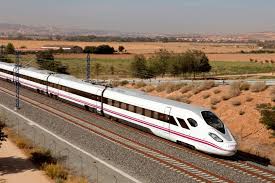
Desde que nacemos y nos subimos al tren de la vida, cada uno con su propio equipaje: cargado de dones, bienes y privilegios en algunos casos y vacío en muchos otros, lo que, en principio, ya nos sitúa a unos en primera clase y a otros en el vagón de cola, hasta el recorrido vital de nuestra existencia, en el que la suerte se reparte de manera caprichosa y arbitraria, no parece fácil de explicar que existe un mismo Dios para todos, y, mucho menos aún, que se interese y se preocupe por lo que acontece en este mundo. Otro asunto muy distinto será con qué, o con quién, nos podremos encontrar en nuestra última estación, cuando, terminado nuestro viaje, nos tengamos que bajar del tren. Eso ya será otra historia, aunque esta, me temo, jamás podrá ser contada.

C. Díaz Fdez.

Abril de 2013


domingo, 21 de abril de 2013

WHERE WAS GOD?


On May 28, 2006, with the occasion of the pastoral visit that Pope Benedict XVI made to Poland, where he had the opportunity to visit the concentration camp complex of Auschwitz, built by Nazi Germany at the beginning of the world War II, where was practiced the most heinous genocide known in the history of mankind, with a balance of victims who, according to rough estimates, shows the awful number of over six million Jews, four million soviet prisoners of war and another few million more, still to
  determined, between polish, political prisoners, freemasons, homosexuals, people with physical or mental limitations and common criminals, as well as some 800,000 gypsies, the Pope himself shuddered at the memory of the horror that is had been lived in those facilities. So great was the emotional impact that felt the successor of St. Peter, that even himself came to question the presence of God. In his speech at the farewell of his apostolic trip, is important to emphasize, among other things, the words devoted to this event: How many questions are imposed over us in this place? Where was God in those days? Why was he silent? How could he permit this endless slaughter, this triumph of evil? This words, spoken directly by the highest authority of the Catholic Church, are, over all, an invite to reflection for all us.
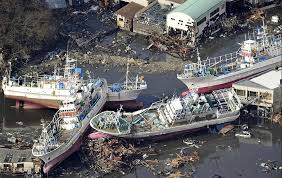

In our recent history, apart from the Holocaust that has been practiced in numerous extermination camps created by the Nazis, are countless the  loss of life that has been produced by external and violent causes: from the disasters caused by nature itself, such as tsunamis, earthquakes, hurricanes, etc., until the most horrific acts of barbarism provoked by people who denigrate the human condition. In each and every one of these cases there is something that we believe has always missed us: God's presence, his protective hand. Like the Pope at Auschwitz, all who have lived some experienced, directly or indirectly, of any of these events, is have asked himself, more or less, the same questions: Where was God? How anyone who is considered infinitely just and kind may allow the death of so many innocents, in such tragic conditions? What crime have they committed to deserve such punishment? They are, in short, the same questions we ask when suffering hits us directly, or when something terribly wrong or undesirable is happening in our lives. These are questions that, by not to be within reach of human understanding, of course, have no convincing answer in our earthly world. Our conclusions only depend on what each one have as a benchmark of your own existence, which, for believers unconditional, is faith in God and the existence of another life;  for all others, just vicissitudes of fate.


A very succored argument that some use to justify inaction in God, is that if He constantly have to intervene to prevent cruelty and violence in our world, then we would be private of the power to act with our free will and, with it, of the necessary freedom to lead our lives with the dignity that belongs to us as creatures made in his image and likeness. Very weak argument, no doubt, if we consider that natural disasters are totally alien to the human will, and that many people are born without the minimum conditions necessary to voluntarily choose their destiny.
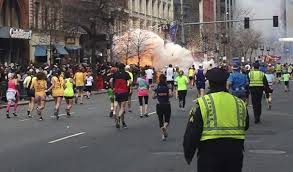

In a particularly way, in my specific case, the many lived experiences that I had, I have been moving to from positions more or less steady in the faith, to others closer to agnostic philosophy. When I see images like those of the recent irrational attack of the Boston Marathon, in which, between the dead, there are a child of only eight years old, who, waiting embrace his father when he had crossed the finish line, was physically dismembered by an explosive device planted by two fanatics wretches terrorists, one of them 19 years old, I feel how is crumbles many principles and I find it very difficult to understand the alleged goodness of the designs of Divine Providence. If we are truly the center of creation, how can we deserve so little attention from our Creator?

Since we are born and we got on the train of life, each with their own luggage: loaded with potential capabilities, goods and privileges in some case, and vacuum in many others, what, in principal, already puts some people in first class and others in the caboose, until  the end of life journey of our existence, in which the luck is distributed in form capriciously and arbitrarily, isn't seems easy to explain that there is one God for all, and, even less so, that He will be interested and  worried by what happens in this world. Another issue very different will be with what, or with who, we can meet in our last station, when, finished our journey, we have to get off the train. That it will be another story, but this, I fear, may never will be known.

C. Díaz Fdez.

April 2013