Aunque, en
mi opinión, el asunto de si en el hipotético portal de Belén, donde la
tradición cristiana sitúa el nacimiento de Jesús, había o no buey, asno,
pastores, estrella, etcétera, no está, ni de lejos, entre los principales problemas
que actualmente tiene planteados la Iglesia Católica, parece ser que el actual
titular de la Cátedra de San Pedro, Benedicto XVI, tiene una cierta
predilección por este tema, en el que,
no sin cierta controversia, ya se ha pronunciado en diversas ocasiones.
Con motivo de la Navidad del 2007, el papa
Ratzinger instaló en el Vaticano un nacimiento que se apartaba diametralmente
del concepto tradicional, situando el acontecimiento en Nazaret, en el seno de
una familia tradicional de aquella época, desposeído de todos los ingredientes
clásicos con los que este hecho se venía identificando en todo el mundo; asunto
que causó gran sorpresa y abundante polémica. Ahora, con la reciente
publicación de su libro “La infancia de Jesús”, vuelve a ahondar en el mismo
tema, aunque cambiando algunos matices, para ser nuevamente tema de comentario
en todos los medios de comunicación.
Desde el respeto y la consideración que se
debe a una persona de tan alta relevancia social, como lo es el caso del
Pontífice, creo que, en este caso, está cometiendo un error de bulto. Tratar de
modificar usos y costumbres tan arraigadas en el acervo católico, sin motivo ni
razón para ello, es generar malestar sin contrapartida de beneficio. Si,
subrepticiamente, lo que se pretende con ello es desviar la atención de los
verdaderos problemas que aquejan a esta institución, no me parece que este sea el
mejor método ni el camino más adecuado para conseguirlo.
Nota.- Por lo relacionado con este tema,
que ha vuelto a ocupar un lugar en la actualidad informativa, adjunto el
artículo publicado en el diario” La Nueva España” de Oviedo, con fecha 12 de
enero de 2008, bajo el epígrafe “ADIÓS AL BELÉN”.-
C. Díaz Fdez.
Oviedo, 23 de noviembre de 2012
¡ADIÓS AL
BELÉN!
Como lector habitual de La Nueva España, he leído
con especial atención, y cierto asombro, el artículo que publicó este diario el
día 27/12/07, en su última página, bajo el epígrafe: “El Papa revoluciona el
belén”

En estos tiempos, en los que la ciencia y la
investigación se han ido encargando de cuestionar, cuando no de desmontar,
antiguos tabúes y creencias que, por estar fuertemente arraigados, formaban
parte del acervo popular, y en cuyo inevitable e imparable proceso no pocas
veces a estado implicada la Iglesia Católica, parece sorprendente que el actual
máximo representante de esta institución,
Benedicto XVI, entre en esta dinámica, con la presunta intención de modificar, no se sabe si los hechos
históricos, pero si la tradición de siglos, el lugar y el ambiente que los
católicos siempre identificaron como cuna de Jesús. Es cierto que, no pocas
veces, fue cuestionado el nacimiento de Jesús en Belén, situándolo en Nazaret,
pero también lo es el hecho de que no se posee ningún dato histórico que sitúe
este acontecimiento en esta localidad de Galilea. Lo que sí es nuevo es que un
Papa, por activa o pasiva, intente cambiar lo que hasta ahora se había dado por
cierto y que está tan profundamente arraigado en la comunidad cristiana.
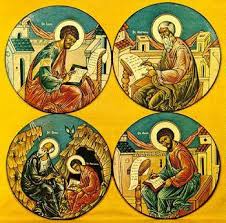
Es notorio, que tanto los relatos históricos
conocidos, como los Evangelios, no son precisamente claros ni concretos en lo
relativo al nacimiento de Jesús, tanto
en el lugar como en la fecha. El profeta Miqueas señalaba, en el siglo
VIII a. J.C., que el Mesías nacería en
Belén. Los Evangelios también contemplan a Belén como el lugar del nacimiento
y, particularmente, el de Lucas 2,1 ss hace mención al obligado desplazamiento
de la familia de Jesús a esta localidad por razones censales. En cuanto a la
fecha, atendiendo a las obras históricas de Flavio Josefo, si es que debemos
situarlo como contemporáneo del supuestamente vesánico Herodes el Grande,
necesariamente hubo de producirse, paradójicamente, antes del inicio de la era
cristiana. El astrónomo Kepler, que relacionó la denominada estrella de Belén
con una conjunción astral visible en la Palestina del siglo I, sitúa este
suceso en el año 7 a. J.C. La fecha del 25 de diciembre es también ampliamente cuestionada,
tomando más fuerza, entre otras, alguna cercana a la primavera.
Ante lo anteriormente expuesto, y dada la manifiesta
confusión que existe en la interpretación de todo lo relacionado con este tema,
creo, en mi modesta opinión, que lo más
oportuno y sensato sería dejar las cosas como están. Si desde tan altísima
instancia, se sugiere que debemos desprendernos y olvidarnos, entre otras
cosas, de los tradicionales belenes: pesebre, asno, buey, pastores, reyes, etcétera,
incluidos, amén de aquellos entrañables villancicos que, por razones obvias,
perderían su sentido, y que tanta devoción y emoción suscitaron, seguro que se
herirá más de un sentimiento y tendrá algún coste en materia de fe;
probablemente la virtud teologal de la que menos sobrada está actualmente la
Iglesia Católica. Si, poco a poco, nos van a ir desposeyendo de esta tradición,
me temo que acabaremos por dar la razón
a los que proponen, desde el laicismo más radical, que se cambien las celebraciones
de la Natividad de Jesucristo por el “solsticio de invierno” (en nuestro
Hemisferio Norte), volviendo a las costumbres de las antiguas culturas romana y
celta que celebraban, en esa fecha, el regreso del Sol, antes de que la Iglesia
Católica las cambiara por las presentes. Al menos, al ser este último un hecho
astronómico incuestionable, no generaría polémica.
Constantino
Díaz Fernández
Oviedo, 12 de enero de 2008


